St. Joseph Health Services provides outpatient behavioral health services for individuals seeking support for mental health concerns, substance use disorders, and co-occurring conditions. Our mental health outpatient programs provide accessible, individualized care while helping clients stay connected to their families, homes, jobs, schools, and communities.
Located in West Virginia and serving individuals throughout surrounding communities, St. Joseph Health Services offers outpatient services, including medical and psychiatric evaluations, therapy and counseling, medication management, medication-assisted treatment (MAT), peer recovery support, and case management. Our outpatient approach is designed to meet people where they are and provide the level of support they need to work toward improved mental health and long-term recovery.
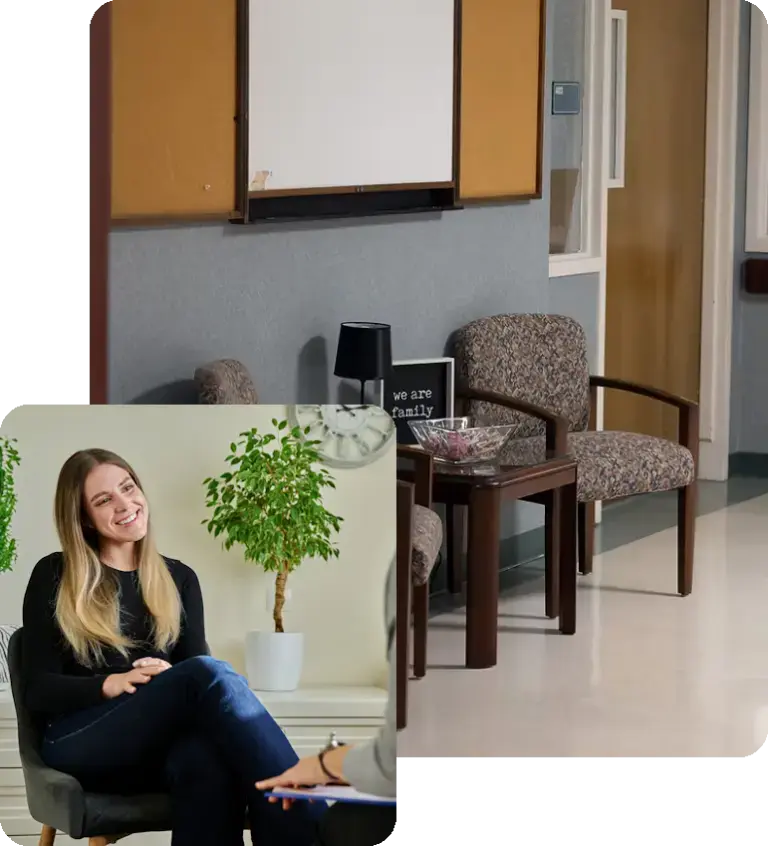
Outpatient treatment can be an important part of behavioral healthcare for individuals who do not require 24-hour residential or inpatient care. Rather than staying at a treatment facility, clients attend scheduled appointments and services while continuing to live at home.
This approach allows individuals to receive professional support while maintaining important daily responsibilities. Outpatient behavioral health services may be used as an initial treatment option, as ongoing care for a mental health condition, or as a step down from a more intensive level of treatment.
At St. Joseph Health Services, treatment is individualized according to each person’s needs, symptoms, history, goals, and circumstances. Our services can address mental health concerns, substance use, and co-occurring disorders through coordinated behavioral healthcare.
Explore our behavioral health treatment programs to learn more about available services.
What Are Outpatient Behavioral Health Services?
Outpatient behavioral health services provide mental health and substance use treatment without requiring an overnight stay. Depending on a person’s needs, outpatient care may include therapy, psychiatric services, medication management, recovery support, and other clinical services.
Unlike residential treatment, outpatient care allows clients to return home after appointments. This can make treatment more flexible while helping individuals practice the skills they learn in therapy within their everyday environment.
Outpatient treatment may be appropriate for individuals who:
- Need ongoing mental health or behavioral healthcare
- Are managing anxiety, depression, trauma, or other mental health concerns
- Are recovering from a substance use disorder
- Have co-occurring mental health and substance use concerns
- Are transitioning from residential treatment
- Need continued support following a more intensive level of care
- Are seeking help before symptoms become more severe
The appropriate level of care depends on each individual’s clinical needs. People who need more support than weekly therapy may benefit from an intensive outpatient program (IOP), and the assessment process can help determine which services may be appropriate.
Hear What Our Clients Have to Say
If anybody out there that can hear my voice right now if you need help with anything that you have a problem with y'all sit down and talk to you like your brother your sister your father your mother it's like they've been knowing you all their life and they've been through everything that you're going through
Joe, US Marine
This place has changed me. The love I’ve felt here was needed, and I’m staying here as long as I can to get the tools I need. I’ve been clean longer than I ever have been here. They teach you how to save yourself. I’m excited about the future for the first time in a long time.
Chris, US Airforce
I’ve been in numerous rehabilitation centers, and St. Joseph Health Services is by far the best place I’ve been. I can’t get treatment like this at home. It is phenomenal how compassionate and caring these people are. There are five-star hotels, but there aren’t enough stars in the sky to put a quality on this place. The staff makes you want to be a better person.
Joe
Who Can Benefit From Mental Health Outpatient Programs?
Mental health outpatient programs can provide ongoing support for a variety of behavioral health concerns. Treatment is tailored to the individual’s needs and may involve therapy, medication management, recovery services, or a combination of approaches.
Anxiety can affect relationships, work, school, sleep, and everyday activities. Outpatient treatment provides a consistent setting for individuals to better understand their symptoms, identify triggers, and develop healthier ways to manage stress and anxiety.
Learn more about anxiety treatment.
Depression can interfere with motivation, relationships, responsibilities, and quality of life. Outpatient behavioral health services can provide ongoing therapeutic and clinical support while helping individuals develop coping strategies and healthier routines.
Learn more about depression treatment.
Traumatic experiences can affect emotional well-being, relationships, behavior, and daily functioning. Outpatient treatment can provide a structured environment for addressing trauma-related symptoms and developing skills for managing emotional distress.
Learn more about PTSD treatment.
Mental health and substance use concerns can occur at the same time. When both are present, addressing them together can provide a more comprehensive approach to treatment. St. Joseph Health Services provides dual diagnosis treatment for individuals experiencing co-occurring conditions.
Outpatient care can provide an important transition after residential treatment. Moving from a highly structured environment to everyday life can present challenges, and continued therapy, medication management, and recovery support can help individuals maintain progress.
Learn more about our residential treatment services.
Seeking behavioral healthcare early may help individuals address symptoms before they significantly interfere with daily life. Outpatient services provide an opportunity to receive professional support without necessarily requiring a higher level of care.
Comprehensive Outpatient Services at St. Joseph Health Services
St. Joseph Health Services offers multiple services to address mental health, behavioral health, and substance use concerns.
Medical and psychiatric evaluations help providers understand an individual’s current symptoms, medical history, behavioral health needs, and treatment goals. These evaluations can help inform recommendations for ongoing care.
A behavioral health assessment provides an opportunity to discuss mental health symptoms, substance use, personal history, and other factors that may affect well-being. The information gathered can help the treatment team develop an individualized plan.
Medication may be an important part of treatment for some mental health and behavioral health conditions. Medication management allows providers to monitor treatment, discuss concerns, and make adjustments when clinically appropriate.
Individual therapy provides a private setting to work through emotional challenges, mental health symptoms, relationships, trauma, substance use, and recovery goals.
Explore our therapy services for more information.
Peer Recovery Support Coaches provide encouragement and support based on lived experience. Peer support can help individuals feel less isolated while developing practical strategies for navigating recovery and everyday challenges.
Medication-assisted treatment (MAT) combines medications with counseling and behavioral support for eligible individuals recovering from certain substance use disorders. St. Joseph Health Services provides MAT options, including Suboxone and Vivitrol.
Learn more about our medication-assisted treatment program.
Full-service onsite laboratory services provide convenient access to certain medical testing as part of outpatient care.
Treatment for Co-Occurring Mental Health and Substance Use Disorders
Mental health concerns and substance use disorders can influence one another. For some individuals, untreated anxiety, depression, trauma, or other behavioral health concerns may contribute to substance use, while substance use can also worsen mental health symptoms.
Integrated treatment addresses both concerns as part of a coordinated plan. Rather than focusing exclusively on substance use or mental health, providers can consider how different aspects of a person’s health and circumstances interact.
Treatment for co-occurring disorders may include therapy, psychiatric care, medication management, recovery support, and relapse prevention strategies.
St. Joseph Health Services provides dual diagnosis treatment for individuals who need integrated behavioral healthcare.
Evidence-Based Therapies Used in Outpatient Treatment
Therapy is an important component of many outpatient behavioral health programs. Depending on individual needs and clinical recommendations, treatment may incorporate different therapeutic approaches.
Cognitive Behavioral Therapy (CBT) focuses on the connection between thoughts, emotions, and behaviors. It can help individuals recognize unhelpful patterns and develop healthier ways of responding to challenges.
Trauma-informed care recognizes the potential impact of traumatic experiences on mental health, behavior, relationships, and recovery. Treatment emphasizes safety, trust, collaboration, and individualized support.
One-on-one counseling provides an opportunity to explore personal concerns, establish goals, and develop practical coping strategies in a confidential setting.
Group therapy can provide connection, encouragement, accountability, and opportunities to learn from others experiencing similar challenges.
For individuals recovering from substance use disorders, outpatient treatment can help identify triggers, recognize warning signs, develop coping strategies, and create plans for responding to situations that may threaten recovery.
Mobile Outpatient Services: Bringing Care to Rural Communities
Access to behavioral healthcare can be challenging for people living in rural communities, particularly when transportation or distance makes attending traditional appointments difficult.
St. Joseph Health Services provides mobile outpatient services throughout 19 rural counties in West Virginia, helping bring behavioral health and substance use treatment closer to the communities we serve.
Mobile services can help reduce transportation barriers and make it easier for individuals to remain connected to care. Depending on individual needs and available services, mobile outpatient treatment may support people addressing substance use disorders, mental health concerns, recovery needs, and related healthcare challenges.
Our community-based approach can help individuals access treatment while remaining connected to their homes and support systems.
Benefits of Outpatient Behavioral Health Services
Outpatient behavioral health services provide several potential benefits for individuals who are able to safely receive care outside of a residential or inpatient setting.
Outpatient treatment allows clients to attend scheduled appointments without living at a treatment facility. This flexibility may make it easier to continue working, attending school, caring for family, or managing other responsibilities.
Remaining at home allows individuals to stay connected with important family members, friends, and community supports while receiving treatment.
Regular appointments provide continued access to behavioral health professionals who can monitor progress, address concerns, and adjust treatment recommendations when appropriate.
Outpatient treatment can help individuals develop coping skills, improve emotional regulation, manage symptoms, and establish healthier routines.
Mobile outpatient services can expand access for individuals who face transportation, geographic, or other barriers to traditional healthcare.
Outpatient care can continue beyond an initial crisis or intensive treatment episode. Ongoing support can help individuals maintain progress and connect with additional resources when needed.
Supporting Mental Health Recovery Beyond Crisis Stabilization
Behavioral health treatment is not only about managing an immediate crisis. Long-term recovery often involves developing skills and routines that support emotional and physical well-being over time.
Outpatient treatment can help individuals work toward:
- Building healthy coping skills
- Managing stress and emotional challenges
- Developing resilience
- Improving communication
- Strengthening relationships
- Recognizing triggers and warning signs
- Establishing healthy routines
- Creating realistic wellness goals
- Maintaining engagement with ongoing care
These skills can be practiced in the individual’s everyday environment, making outpatient treatment an important component of long-term behavioral healthcare, while crisis stabilization can provide additional support during periods of acute need.
The Importance of Continuity of Care
Recovery and mental wellness are ongoing processes. A person may need different types or levels of support at different points in their recovery.
Continuity of care helps individuals maintain connections with their treatment providers and reduces unnecessary gaps between services. Depending on individual needs, ongoing outpatient care may include therapy, medication monitoring, recovery support, case management, and referrals to community resources.
For someone transitioning from a higher level of care, outpatient services can provide an important bridge to continued treatment. For others, outpatient care may serve as a first step toward addressing mental health or substance use concerns.
Explore our full range of treatment services to learn more about available levels of care.
Why Early Treatment Can Make a Difference
Mental health and substance use concerns can become more difficult to manage when left untreated. Seeking professional support early can provide an opportunity to address symptoms, understand contributing factors, and develop a plan for moving forward.
Outpatient behavioral health services can help individuals:
- Address concerns before they become more disruptive
- Develop healthy coping strategies
- Strengthen personal and family support systems
- Improve daily functioning
- Connect with appropriate behavioral healthcare
- Establish long-term wellness goals
If symptoms are severe or an individual requires 24-hour supervision, a higher level of care may be more appropriate. St. Joseph Health Services can help individuals and families understand available treatment options.
Why Choose St. Joseph Health Services?
Choosing a behavioral health provider is an important decision. St. Joseph Health Services provides personalized outpatient care designed to address the individual rather than focusing solely on a diagnosis or symptom.
Our services include:
- Comprehensive outpatient behavioral health services
- Mental health and substance use treatment
- Support for co-occurring disorders
- Individual therapy and counseling
- Psychiatric evaluations and medication management
- Medication-assisted treatment
- Peer recovery support
- Case management and recovery planning
- Mobile outpatient services
- Community-focused care throughout rural West Virginia
Our outpatient locations include Parkersburg and Summersville, West Virginia, with services also supporting individuals in surrounding communities, including Cambridge, Ohio.
Begin Your Recovery Journey Today
You do not have to wait for a mental health or substance use concern to become overwhelming before seeking support. St. Joseph Health Services provides outpatient behavioral health services designed to make professional care more accessible while helping individuals remain connected to their daily lives and communities. Contact the admissions team to verify your insurance and learn about available treatment options.
Whether you are seeking treatment for a mental health condition, substance use disorder, or co-occurring concerns, our team can help you understand your options and determine an appropriate path forward.
Same-day treatment and walk-ins may be available. Contact St. Joseph Health Services to learn more about our outpatient programs, available services, and how to get started.
Reach out to our admissions team to discuss treatment options for you or your loved one.
Mobile Services
Serving Rural West Virginia
Outpatient services are utilized as a follow-up to residential care or as a first line of care, based upon individual circumstances. St. Joseph Health Services offers mobile outpatient services in 19 rural counties in West Virginia to help clients who face transportation issues receive treatment for substance use and behavioral health disorders. Our program helps to guide you through the process of overcoming the challenges associated with substance use disorder- from healing family relationships, developing coping skills, addressing trauma, and navigating medical and behavioral health conditions. We are here to help.

Jordan graduated from West Virginia University with a Bachelor of Science in Business Administration-Marketing. She is also a graduate of Bluefield State College as a Registered Nurse. Jordan is currently pursuing her Master of Science in Nursing as a Psychiatric Mental Health Nurse Practitioner at Walden University. Jordan has significant experience in the fields of behavioral health and substance use disorder treatment,as well as new business start-up and development.